
Small Backyard Ideas That Make Every Foot Useful
 BeforeModern
Small backyard ideas work best when there is one clear purpose and very little wasted circulation. You do not need to shrink every feature from a large garden. A comfortable bench, one strong planting edge and a clear view can feel more generous than several tiny zones. Measure the space, include door swings and gate access, then use the comparisons below to explore different moods within a compact footprint.
Try it on your own yardTwo real yards. Three possibilities each.
Drag each slider to reveal the original. Generated with LandscapeGPT using these actual photos; concepts are illustrative, not construction plans or verified plant lists.
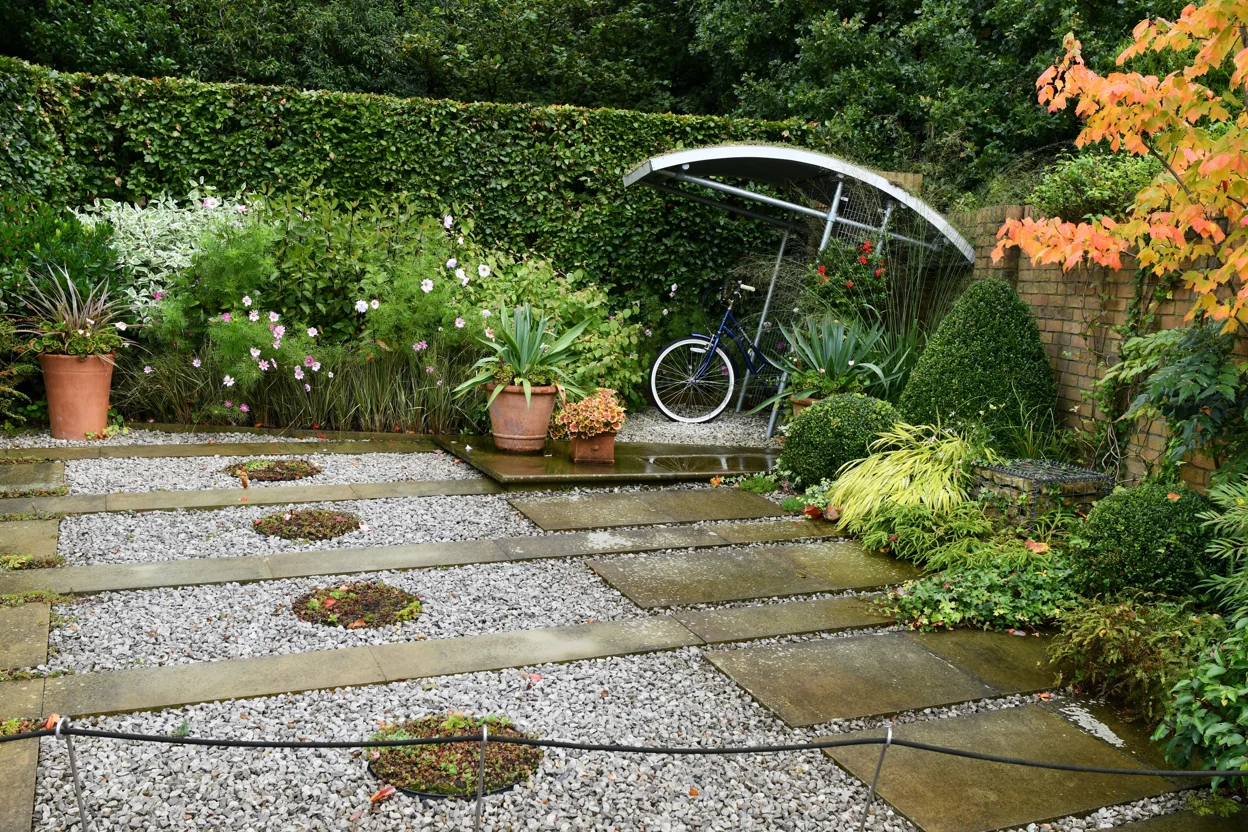
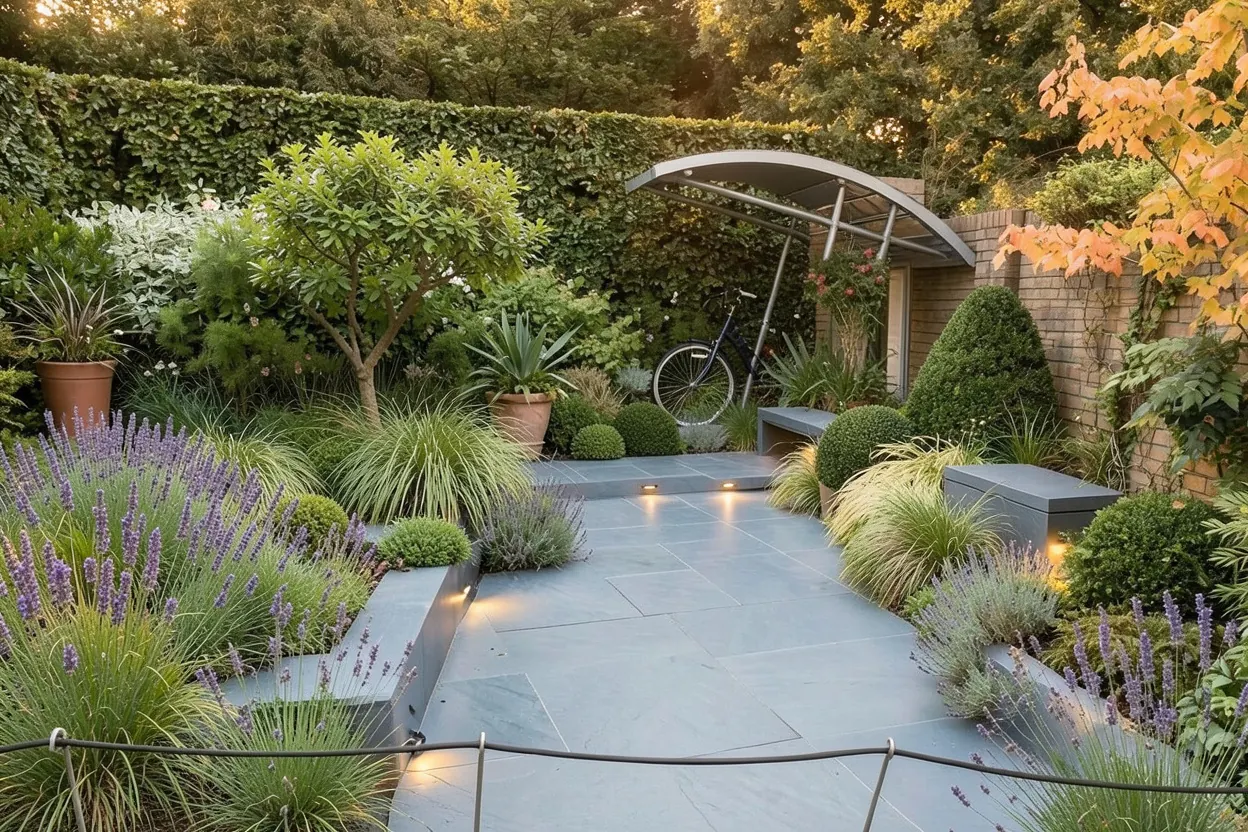
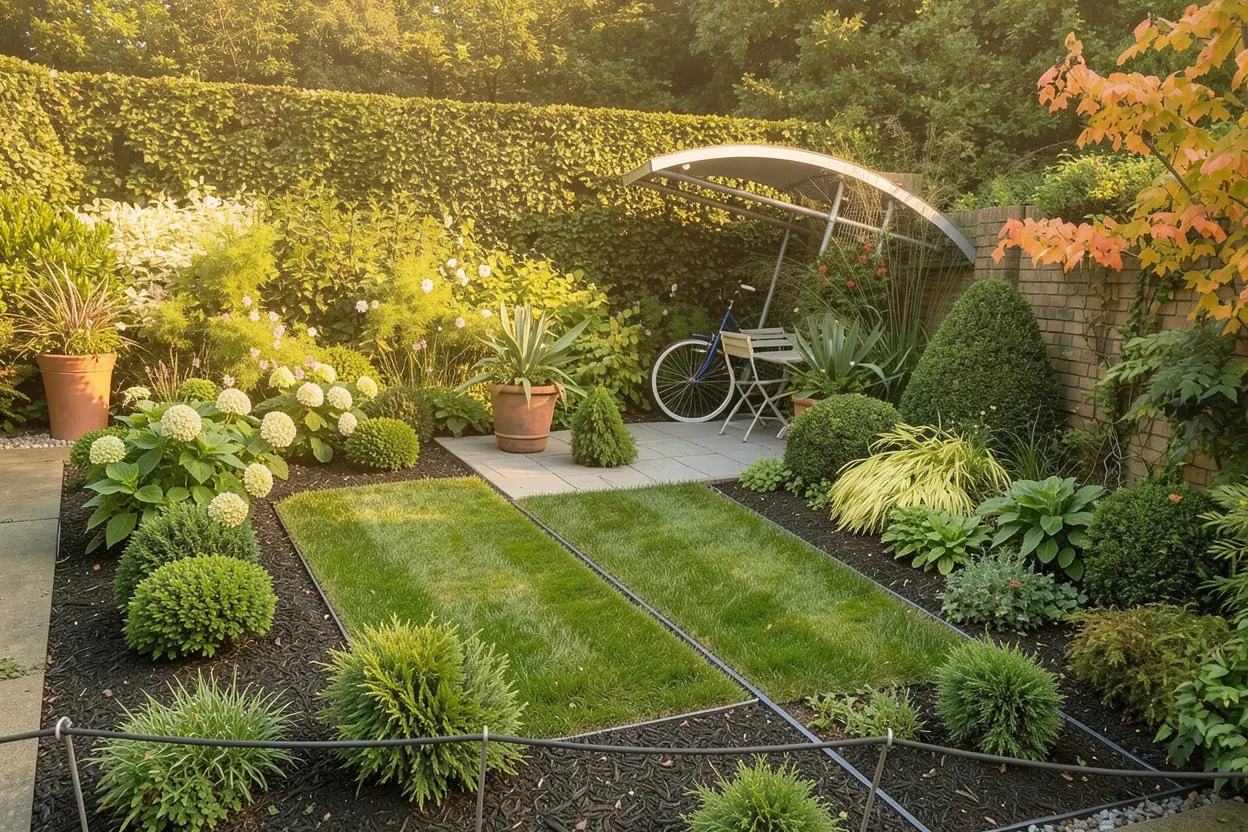
Compact paved show garden, Harlow Carr
This is an existing Harlow Carr show garden, rather than an empty residential yard. Borrow the compact proportions and planted backdrop; the Japanese option illustrates a more structured retreat.
BeforeModern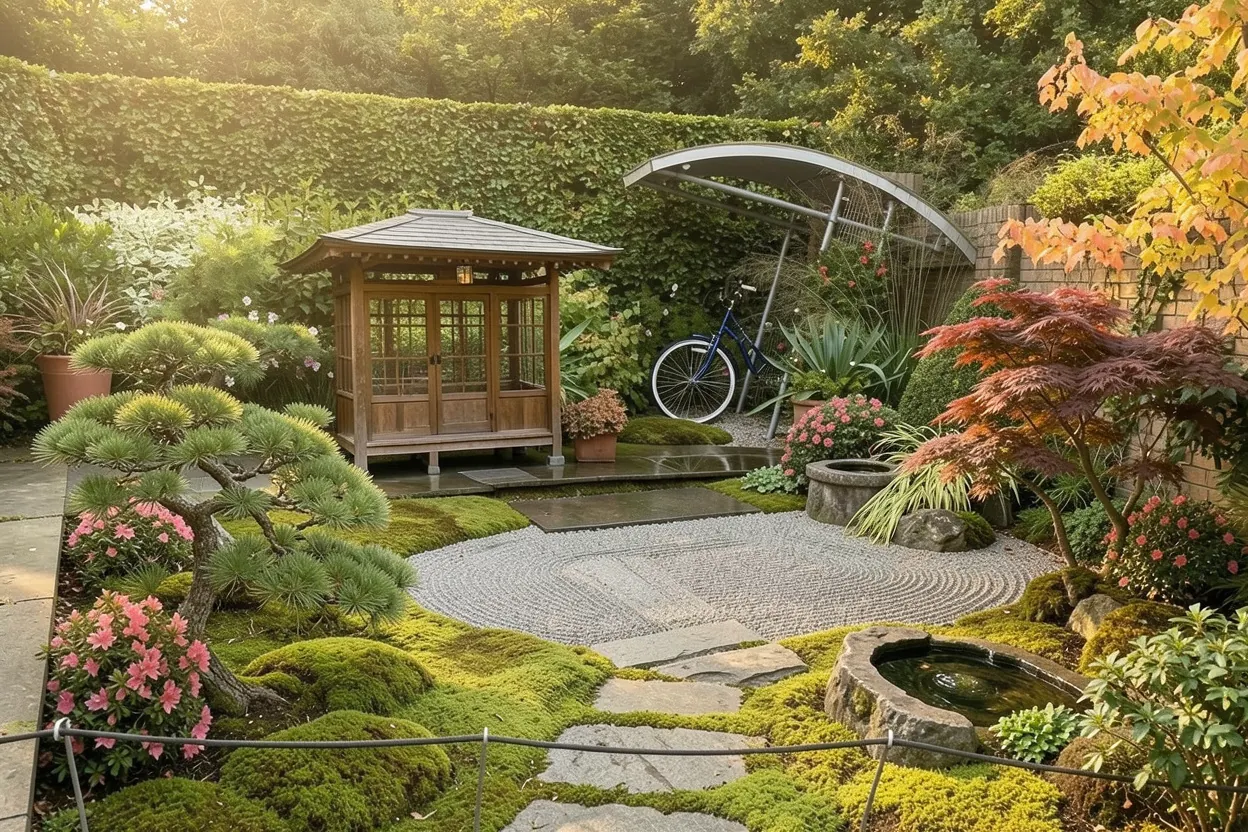 BeforeJapanese
 BeforeLow-maintenance
Original photo: Michael Garlick · CC BY-SA 2.0 · Wikimedia Commons source. Cropped and resized. AI redesigns are adaptations, shared under the same license.

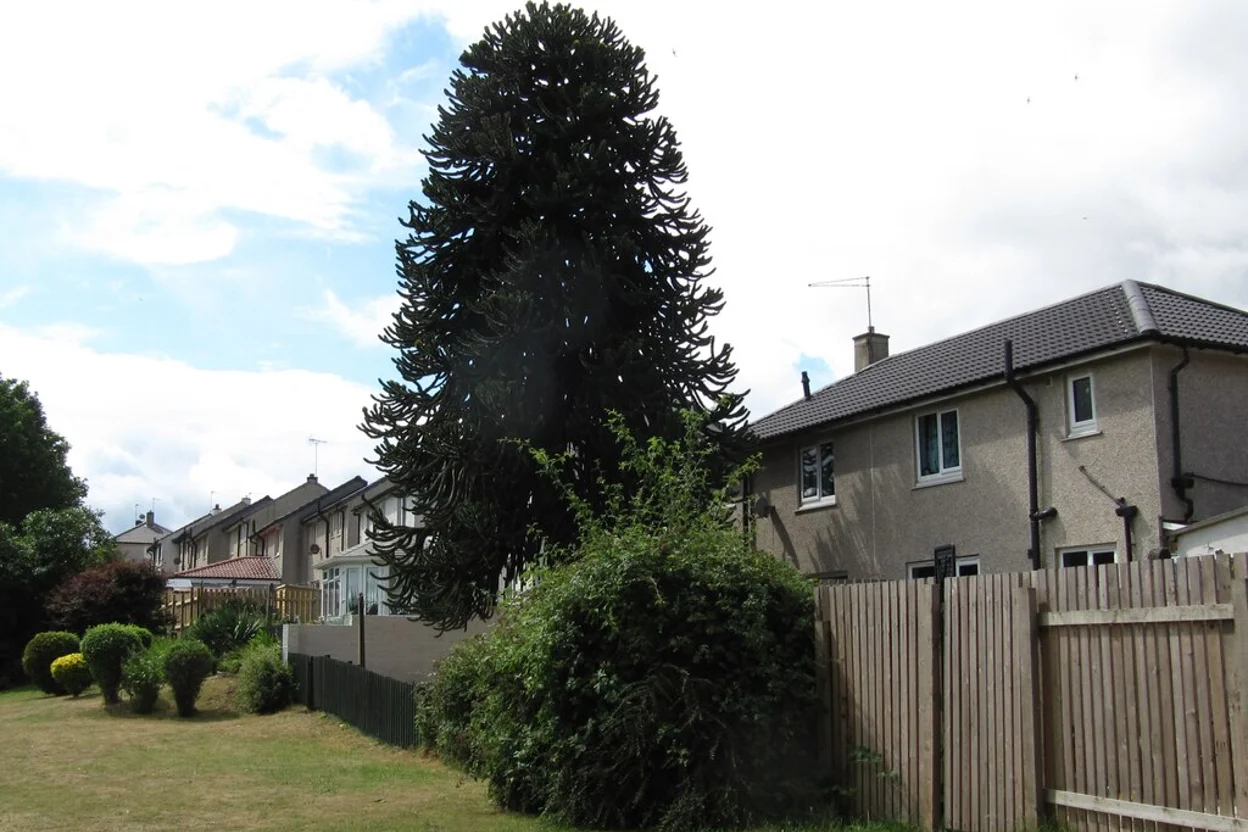
Small back garden with a mature monkey puzzle tree
The mature monkey puzzle dominates this small space. Retain the tree as a focal point, then compare a clear sitting area with softer borders; avoid excavation that damages established roots.
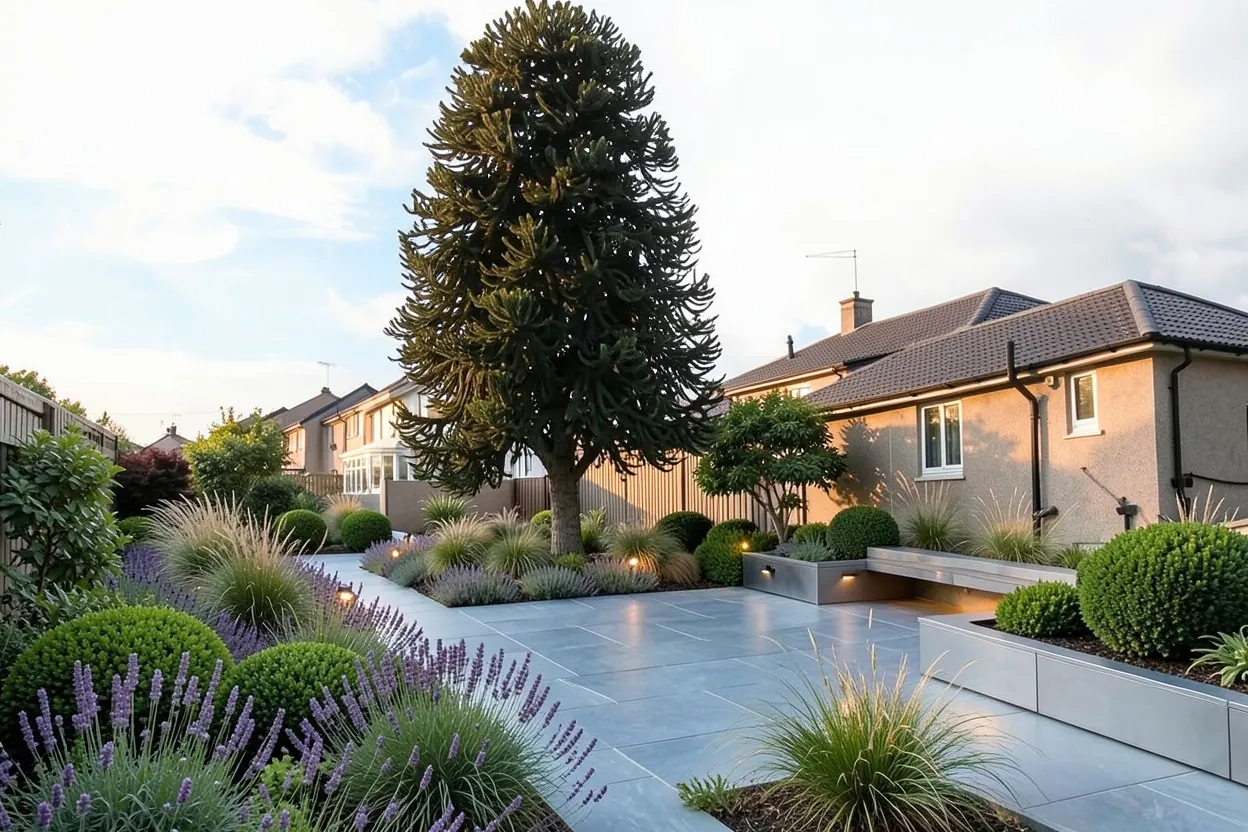 BeforeModern
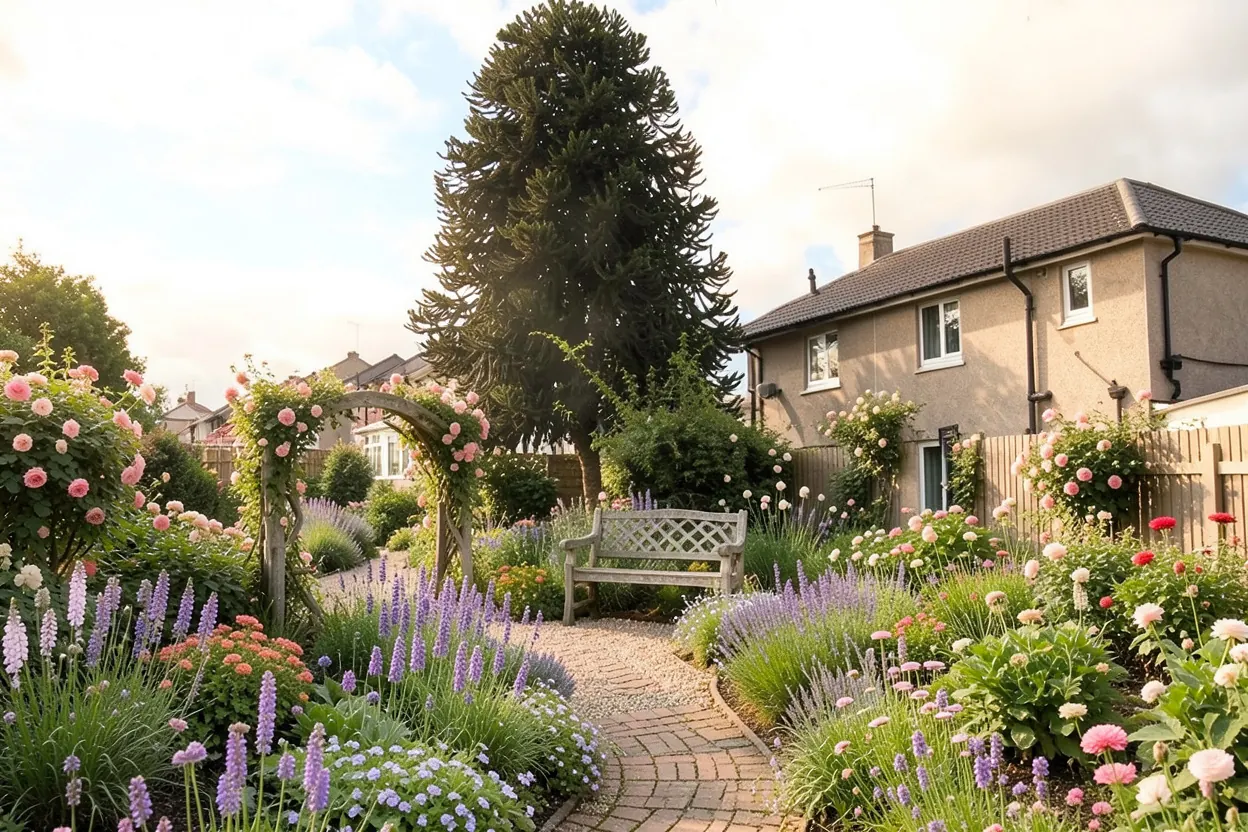 BeforeCottage
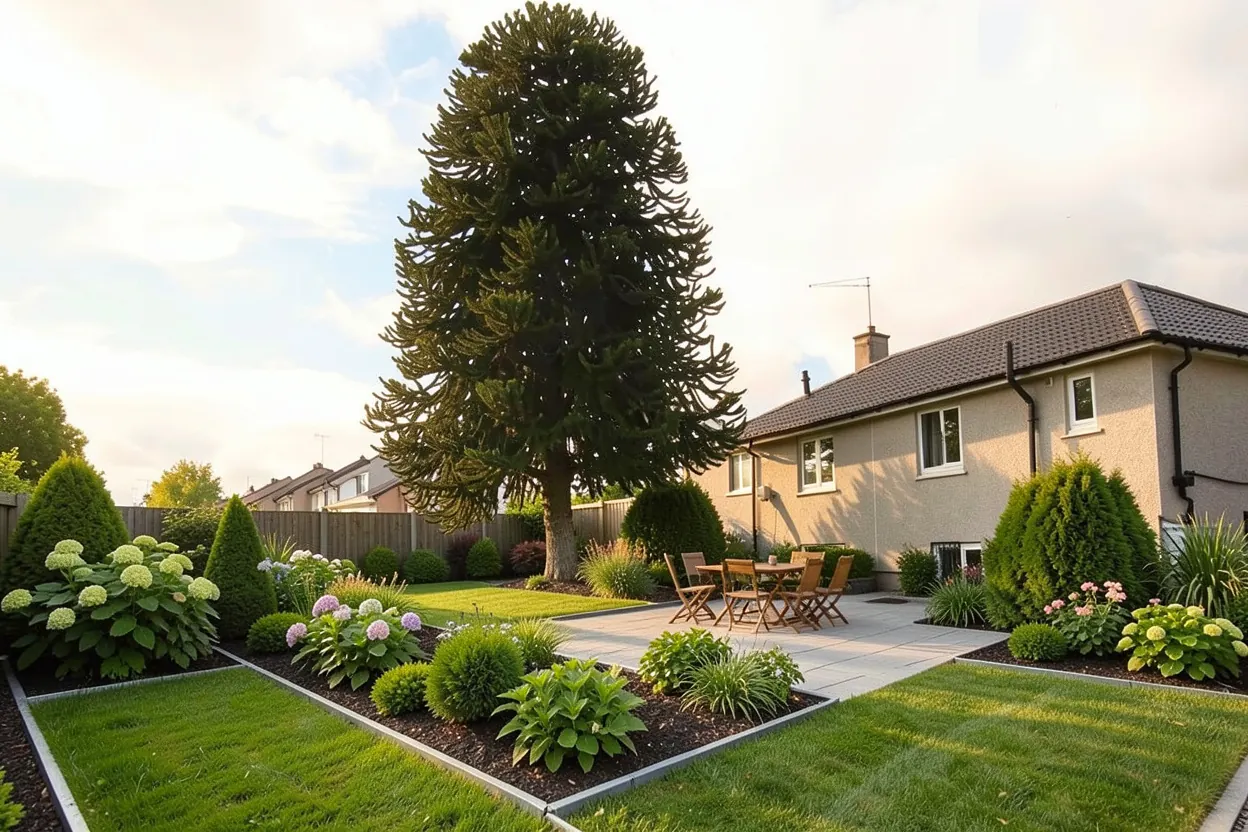 BeforeLow-maintenance
Original photo: Christine Johnstone · CC BY-SA 2.0 · Wikimedia Commons source. Cropped and resized. AI redesigns are adaptations, shared under the same license.

Plan a yard that works beyond the picture
1. Choose one main outdoor room
Decide whether the space is mainly for eating, lounging or gardening. Draw that activity at full size before adding anything else. A bench against an edge frees up central floor space; a folding table can be stored when the yard becomes a play area. Do not run a separate path around a patio if the patio can also serve as the route. Keep the line from door to gate clear. If two people cannot pass comfortably, remove a feature rather than making every element smaller.
2. Plant the edges generously
A continuous bed gives the eye a calm boundary and leaves one useful open center. Three repeated groups often read more clearly than a different plant in every gap. Choose compact varieties by their mature size, not by the size of the nursery pot. In a sunny cool-temperate yard, catmint, hardy geranium and a restrained grass can work where locally suitable. In shade, try regional sedges and ferns. A small garden still needs seasonal interest, but it does not need a complete collection of every flower.
3. Use height without losing daylight
A trellis with a suitable climber adds a planted backdrop with less floor area than a deep hedge. Keep it maintainable from your own side and check boundary rules before attaching anything to a shared fence. A small tree can be a focal point if its mature canopy and roots fit; avoid planting a large species simply because the young specimen looks compact. Japanese maples suit some sheltered climates and exposures, but hot reflective walls and harsh afternoon sun can damage sensitive cultivars.
4. Limit paving changes and visual clutter
Use one main paving material and a related edging color. Many borders, gravel patches and tiny level changes make a tight space harder to read and maintain. If existing slabs are sound, clean them and replace only damaged units; confirm that the surface remains safe when wet. Choose stackable chairs, a storage bench or a narrow wall-mounted shelf where appropriate. Keep bins accessible and make space for a hose. Every permanent object should earn its footprint through frequent use or a strong view.
5. Borrow depth from the view
Keep the longest diagonal or a view toward a tree open, rather than blocking it with a tall central feature. Position a focal pot or bench slightly off center so the yard has somewhere for the eye to travel. Use lighting sparingly: one warm light on the route and a subtle view into planting can be enough. Aim fixtures downward and avoid shining into neighboring windows. Mirrors can create confusing reflections for birds; real planting and a clear sightline are simpler ways to create depth.
6. Build a complete small phase
For pots, a modest bench and a small DIY planting refresh, allow roughly $400–$1,200. A compact garden with new beds and a simple surface might need $2,000–$5,000 in materials and limited help; a professionally rebuilt courtyard can exceed $7,000–$15,000. These are illustrative US allowances, not quotes. Tight access, waste removal and drainage can dominate the price even when the garden is small. Contact 811 before digging in the US. Use a wide daylight photograph from the doorway, then compare designs for circulation before judging flowers.
Further reading: EPA WaterSense landscape planning, University of Missouri Extension on maintenance, Colorado State Extension on xeriscape conversions, and 811 before you dig.
Questions before you start
How do I make a small backyard feel bigger?
Keep one open center, reduce material changes and preserve a long sightline. Put storage and seating at the edges without blocking doors or gates.
Should a tiny backyard have a lawn?
Keep lawn if it supports play or pets and is practical to maintain. Otherwise, a usable sitting area with planted edges may serve the space better.
Can I use a tree in a small backyard?
Yes, if its mature canopy, roots and maintenance access fit the site. Choose for climate and exposure rather than buying solely for a compact nursery size.
Try it on your own yard
Upload a daylight photo. Compare styles on your actual space, then save a concept to discuss with your landscaper.
Design my yard — freeNo signup. Or use the camera button below to start here.